 VITRUVEX
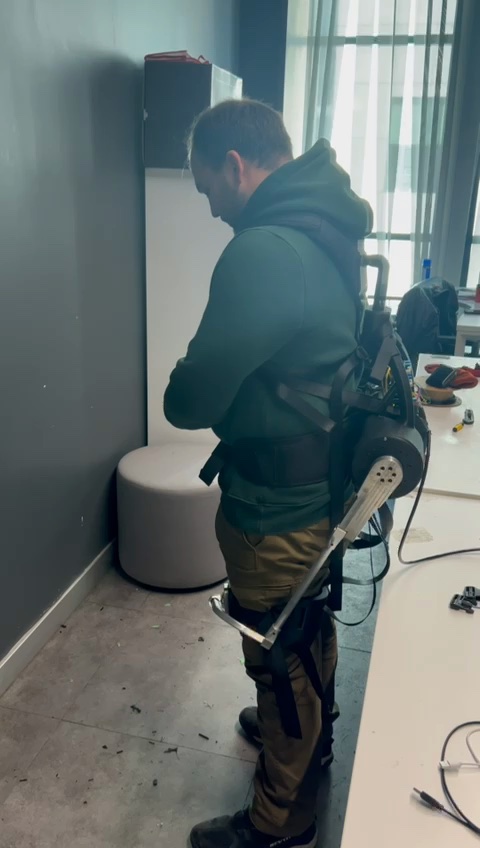
How Much Support Can an Exoskeleton Provide? Understanding Capacity Claims
Exoskeleton support, device mass and the load being handled are different measures. Use this practical checklist to compare technical claims.
This article is an evidence-led technical and strategic analysis, not a product performance claim, medical advice or investment recommendation. Sources are listed below; deployment decisions still require task-specific validation.
The short answer: support is not permission to lift more
An exoskeleton’s stated assistance does not mean a worker can safely lift that amount of additional weight. First establish what was measured: device mass, force or torque generated by its mechanism, or a change observed during a particular task. These are not interchangeable. Asking only ‘How many kilograms?’ leaves out the context needed for a purchasing decision.
NIOSH’s discussion of industrial exoskeletons highlights matching the device to the task and examining potential new risks. Product comparisons need that context.
Separate the measurements in a specification
Device mass in kilograms describes the equipment worn by the user. Assistance force may be expressed in newtons and assistance torque in newton metres. The handled object’s mass is another quantity. Converting torque directly into kilograms of assistance is not a meaningful comparison without specifying the geometry and posture.
Muscle activity, perceived effort and task completion time are also distinct outcomes. A change in one does not establish a matching change in another. Record the method and the question answered beside every claim; do not combine different measurements under one ‘capacity’ label.
The same load can involve different work
Picking a box off the floor, holding it at a shelf and turning to place it involve different movements. Record grip, starting and finishing heights, reaching, repetitions and pauses. A demonstration of the easiest part does not represent the whole work cycle.
For warehouse handling, describe approaching the shelf, picking, turning and placing—not just lifting. Include the usual pace and space restrictions. This is a proposed comparison method, not a reported test result: it helps you ask different suppliers the same questions about your actual operation.
An evidence checklist to send suppliers
Complete these fields for each capacity claim. Mark unanswered fields ‘not specified’ rather than estimating them, so missing information does not appear as an advantage.
- Claim and unit: Which physical quantity or user outcome is described?
- Configuration: Which model, setting and operating mode were evaluated?
- Task: What were the load, grip, posture, movement and repetition pattern?
- Participants: Which users and range of body sizes were included?
- Comparison: Were assisted and unassisted conditions assessed on the same basis?
- Limits: Are unsupported movements, interruptions and adverse observations disclosed?
Turn specifications into an application decision
Review opportunities to improve the existing job first. Do not use an assistance claim to justify heavier loads or a faster pace. EU-OSHA’s discussion paper considers workplace safety alongside economic expectations. Base the decision on the defined task and its risk assessment.
V-UP is an active lower-back assistance engineering prototype undergoing technical validation; this article does not provide a published support-capacity value. Prepare the checklist before discussing your application, and explore the broader back-support exoskeleton selection criteria.
Primary references
Sources and further reading
Related guides
Read next
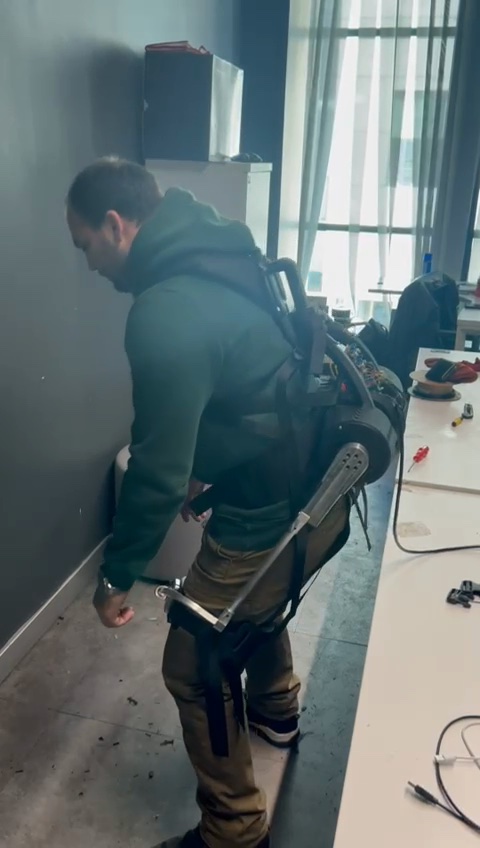 Does an Exoskeleton Fit Every Worker? Assessing Fit and Movement
Does an Exoskeleton Fit Every Worker? Assessing Fit and Movement
 what is an exoskeleton
What Is an Exoskeleton? A Technical Guide to Industrial Wearable Robotics
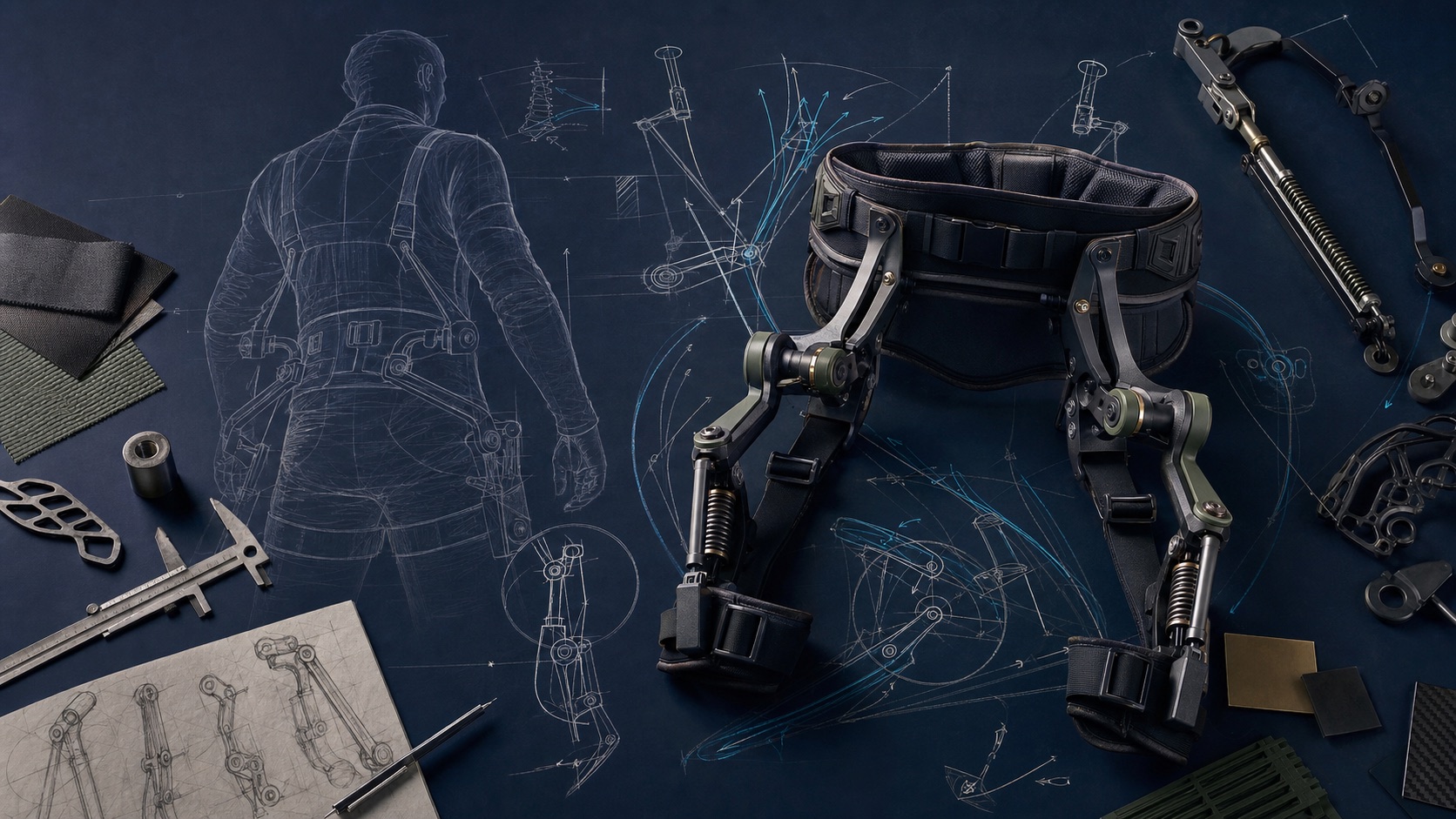 active vs passive exoskeleton