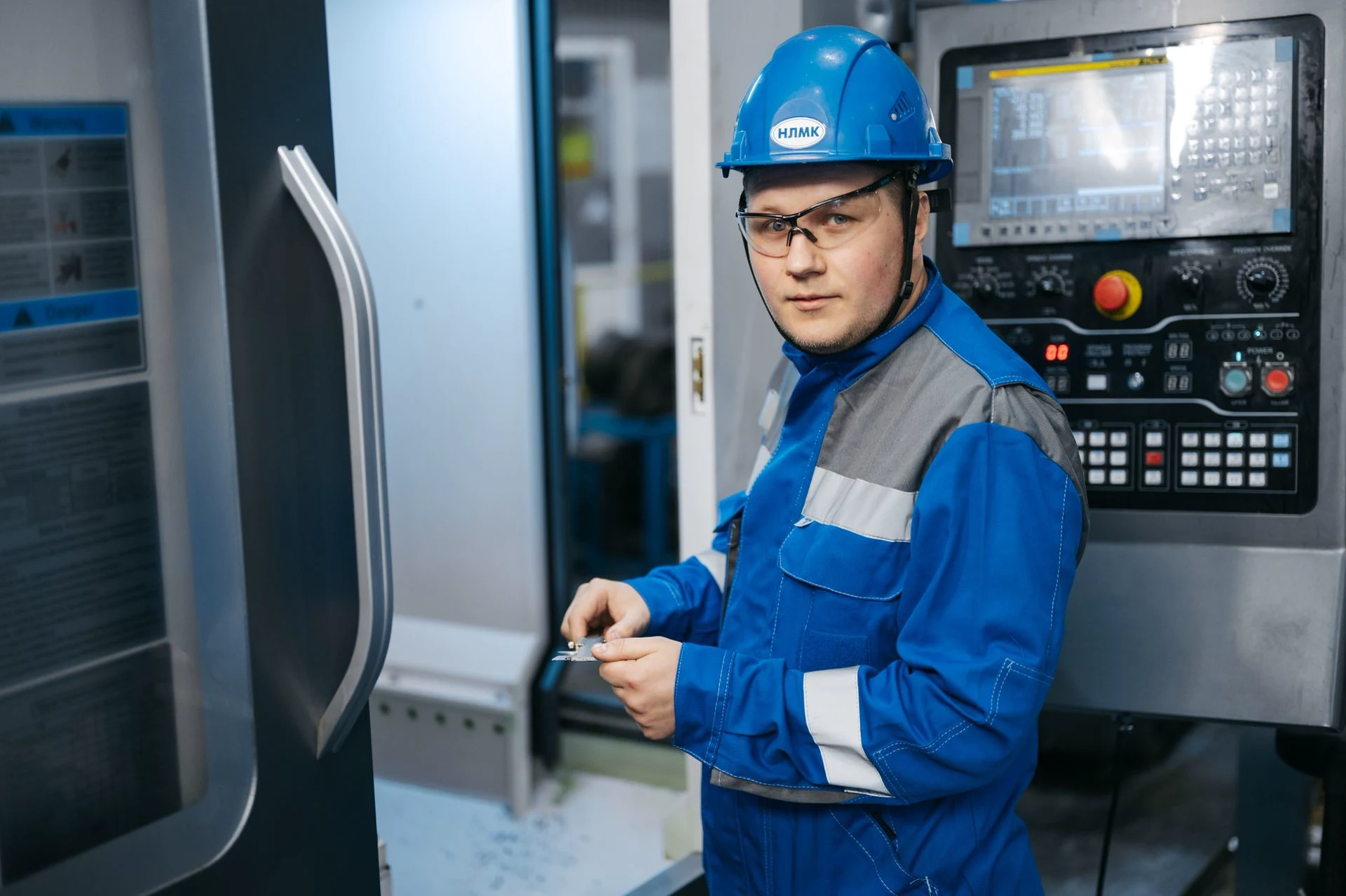

Fatigue & injury exposure
Physical load compounds across repetitive tasks and extended shifts.
Human-centered physical intelligence
Vitruvex is building wearable robotics and neurotechnology that connect biomechanics, control, sensing and operational intelligence—starting with demanding industrial work.
Repetitive lifting, carrying, awkward posture and long shifts create a combined productivity, safety and workforce-sustainability problem.
The opportunity is not to replace the worker. It is to engineer the human–machine boundary so assistance arrives at the right moment, with measurable operational context.
Physical load compounds across repetitive tasks and extended shifts.
Fatigue can alter pace, consistency and task quality over a shift.
Aging workforces and scarce skilled labor increase the value of physical support.
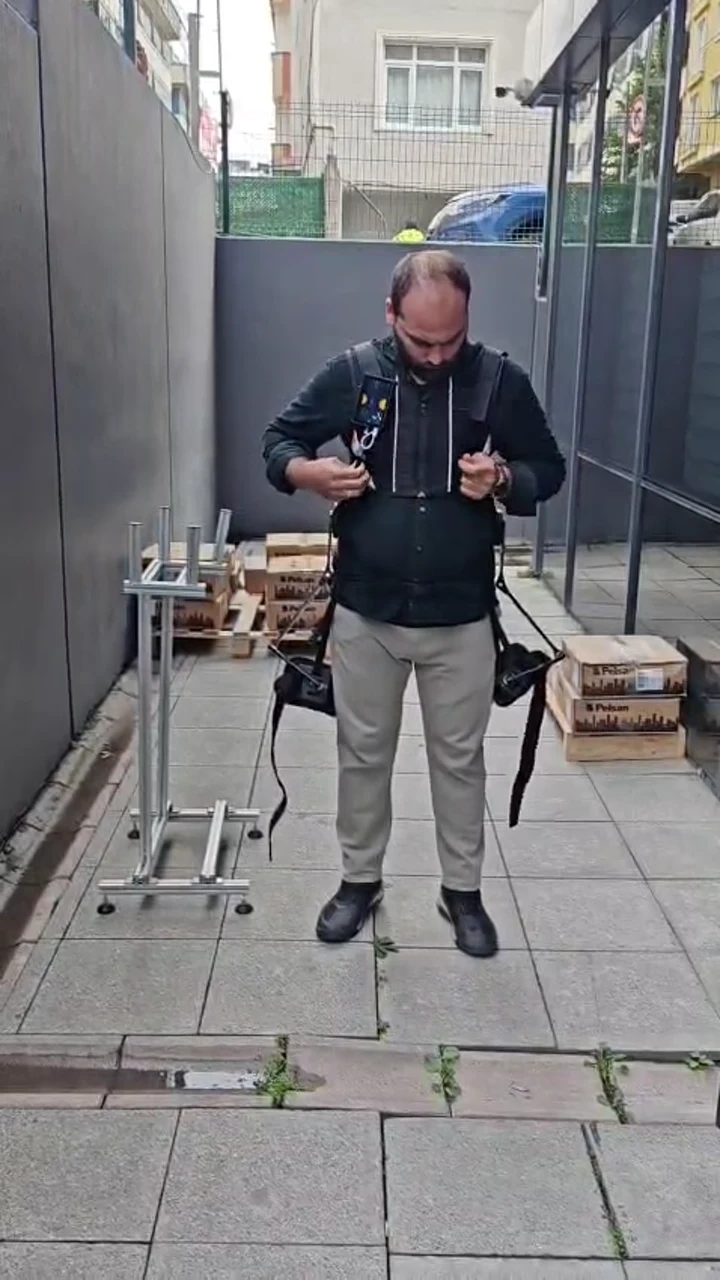
Wearable physical assistance for demanding work, with a roadmap toward active support, connected monitoring and SCADA-ready operations.
A non-invasive brain–computer-interface research platform exploring rehabilitation, feedback and assistive communication.
Project 3250088 advances an active industrial wearable exoskeleton designed for worker health, safety, monitoring and SCADA integration, with Adatech and Karadeniz Technical University.
Project 7240539 is a brain–computer-interface-based rehabilitation and communication system. Its supported research period concluded in June 2026; clinical, certification and commercialization work remain separate gates.
The lumbar-support mechanism invention is under an international PCT application process. This is an application—not a granted patent—and is presented accordingly.
Direct or channel-led deployment of validated wearable systems.
A lower-friction route for pilots, fleet adoption, maintenance and lifecycle support.
Device status, task context, reporting and integration can support recurring software and service value.
Distribution, co-development, industrial integration and research partnerships can accelerate market access.
Public pages show the architecture, not unsupported financial certainty. Pricing, unit economics, pipeline quality and scenario forecasts belong in the diligence pack with sources and assumptions.
Repeated lifting, carrying and assembly tasks with observable ergonomic exposure.
High task frequency creates a practical environment for pilot measurement and fleet learning.
Demanding postures and distributed operations reward durable, serviceable systems.
Task-specific baselines, assistance, comfort, reliability and user acceptance.
Design for manufacture, supplier readiness, quality controls and serviceability.
Lighthouse pilots with documented operational outcomes and repeatable onboarding.
Channel enablement, lifecycle service, connected software and market-specific partners.
Planned US structure · under evaluation
Vitruvex is evaluating a Delaware investment structure with an Austin, Texas commercial and R&D bridge. This is a planning hypothesis—not a current registered headquarters—and remains subject to legal, tax and investor diligence.
A familiar US investment vehicle can be evaluated with counsel when the financing process warrants it.
Austin offers a credible bridge to robotics research, talent and industry partnership networks.
Türkiye retains engineering and supply-chain leverage while the US structure supports capital and market access.
Test rigs, iterations, user trials and measurable performance evidence.
Safety engineering, technical files, quality systems and target-market requirements.
Tooling, supplier readiness, assembly, quality control and service capability.
Reference pilots, channel partners, customer success and international entry.
Diligence-ready conversation
Following an initial fit conversation and, where appropriate, a confidentiality agreement, Vitruvex can provide the product architecture, validation plan, IP posture, commercial assumptions, milestone budget and supporting records.
This page is for general information only and does not constitute an offer or solicitation to buy securities. Forward-looking items are planning assumptions, not guarantees.