 VITRUVEX
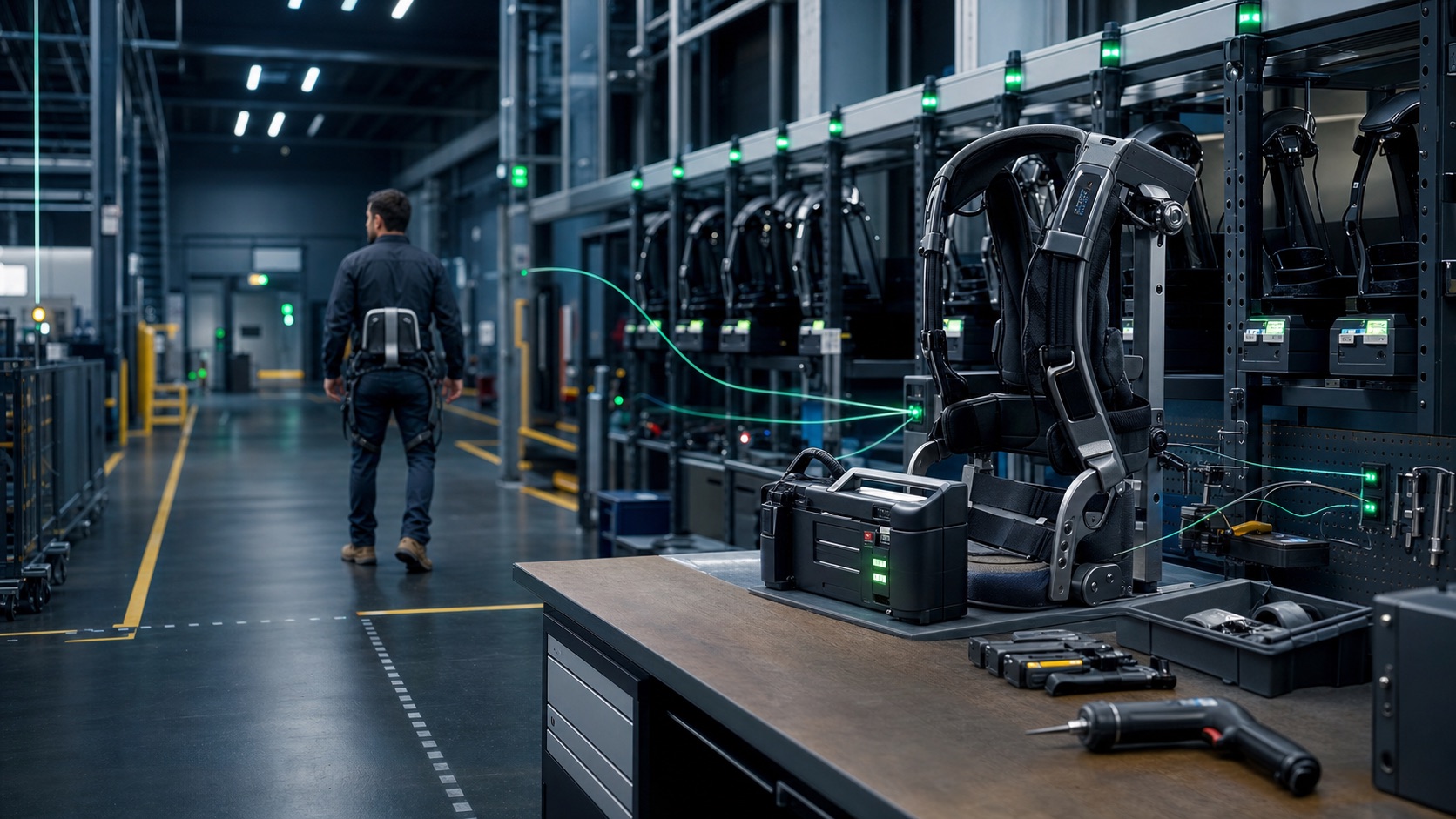
Connected Exoskeleton Fleets: From Device Data to SCADA-Ready Operations
A practical architecture for device status, maintenance, utilization and privacy-aware operational learning—without turning worker monitoring into surveillance.
This article is an evidence-led technical and strategic analysis, not a product performance claim, medical advice or investment recommendation. Sources are listed below; deployment decisions still require task-specific validation.
Begin with operational questions, not a data lake
A connected fleet should answer bounded questions: Is the device ready? When was it inspected? Which configuration is active? Is maintenance due? How often is it used in the approved task? Data that has no decision owner quickly becomes cost and privacy risk.
Separate safety data, service data and people data
Device temperature, battery health or fault codes serve a different purpose from individual movement or productivity data. Define the minimum data set, retention period, access roles and aggregation level for each purpose. Prefer task- and fleet-level learning when individual identity is not necessary.
Use an integration boundary, not direct coupling
A SCADA-ready roadmap does not mean sending every wearable signal directly into a control system. A safer architecture uses an edge or fleet layer that validates data, applies access rules and exposes only approved operational events. Safety-critical machine control should remain deliberately separated unless a validated system design requires otherwise.
- Device layer: sensing, diagnostics and safe local control.
- Fleet layer: identity, configuration, maintenance and approved events.
- Operations layer: dashboards, work orders and aggregated learning.
Connected service can become part of the business model
When the technical and privacy foundations are sound, connectivity can support preventive maintenance, fleet availability, configuration assurance, service-level commitments and evidence-based product improvement. Recurring value must come from better operations—not from collecting more personal data.
Primary references
Sources and further reading
Related guides
Read next
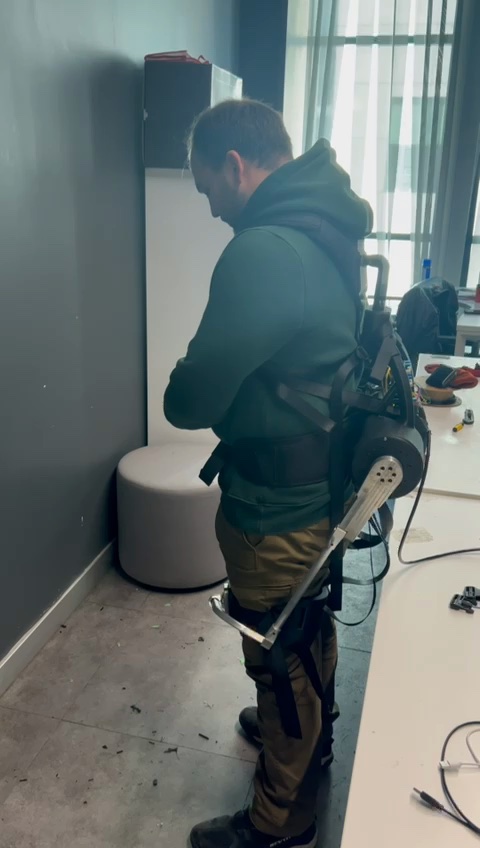 How Much Support Can an Exoskeleton Provide? Understanding Capacity Claims
How Much Support Can an Exoskeleton Provide? Understanding Capacity Claims
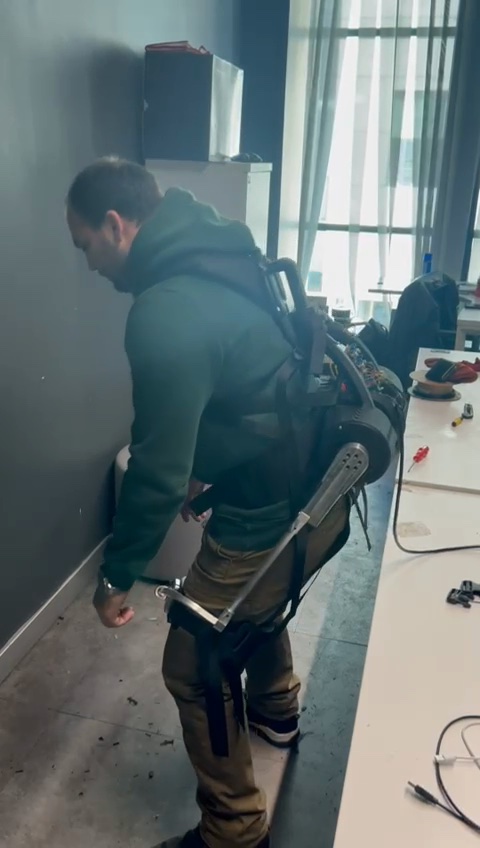 Does an Exoskeleton Fit Every Worker? Assessing Fit and Movement
Does an Exoskeleton Fit Every Worker? Assessing Fit and Movement
 what is an exoskeleton