 VITRUVEX

What Is an Exoskeleton? A Technical Guide to Industrial Wearable Robotics
A decision-oriented introduction to industrial exoskeletons: system types, task fit, evidence limits and the questions a serious pilot should answer.
This article is an evidence-led technical and strategic analysis, not a product performance claim, medical advice or investment recommendation. Sources are listed below; deployment decisions still require task-specific validation.
An exoskeleton is a human–machine system, not simply a wearable frame
In industrial use, an exoskeleton is a wearable system intended to support a body region or movement during work. The useful unit of analysis is not the device alone. It is the combination of person, task, environment, training, maintenance and operating limits.
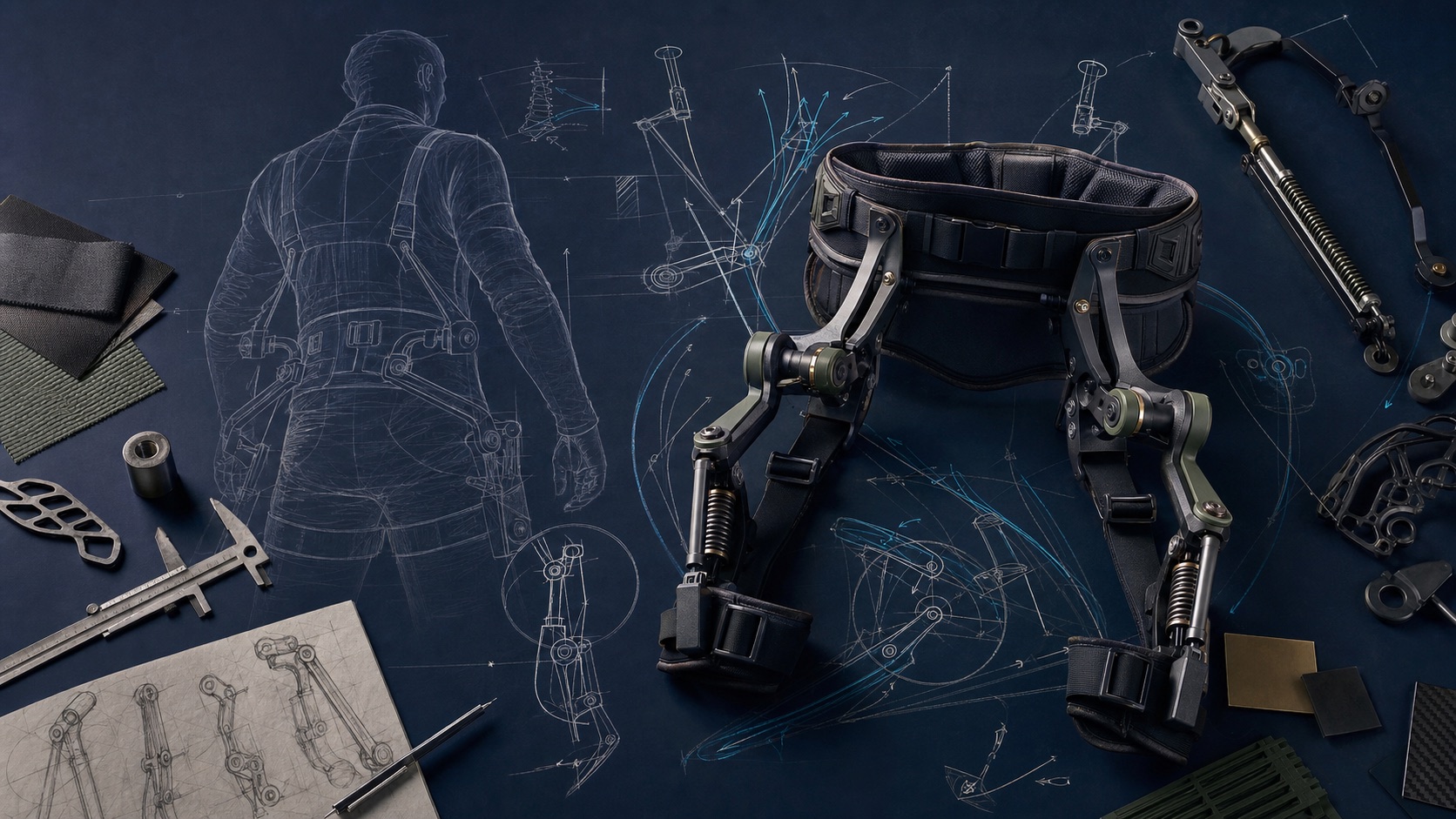
NIOSH distinguishes powered active systems from passive systems that use springs, dampers or counterbalance forces. Both can be valuable, but neither type is universally better. Assistance must match the joint, posture, load path and work cycle.
- Back-support systems target lifting, carrying or sustained trunk posture.
- Shoulder systems address sustained overhead work or tool support.
- Leg-assist systems may support standing, walking or load carriage.
Where an exoskeleton belongs in the control hierarchy
OSHA describes ergonomics as fitting work to the person and emphasizes reducing risk through task and process design. An exoskeleton should therefore not become an excuse to preserve a poorly designed process. First ask whether the load, reach, repetition or workstation can be redesigned.
The strongest use case usually appears where residual physical demand remains after feasible engineering improvements. In that position, wearable support can be evaluated as one control layer within a broader ergonomics and safety program.
The right first questions
A buyer should begin with the task rather than a catalogue. Define who performs it, how often, in which postures, under what environmental constraints, and what undesirable outcome is being reduced. Then define what would count as success without transferring risk elsewhere in the body or workflow.
- What exact movement and body region are being supported?
- Which baseline measures exist before the pilot?
- Which stop criteria protect the user during testing?
- Who owns training, hygiene, fit, maintenance and incident review?
The evidence standard should be task-specific
Laboratory reductions in muscle activity can be useful signals, but they do not automatically prove lower injury rates or positive whole-shift outcomes. NIOSH has repeatedly called for more field research and attention to load transfer, balance, thermal comfort, hygiene and mobility.
A credible exoskeleton program therefore treats claims as hypotheses until validated in the target task. That discipline protects the worker and creates the quality of evidence needed for adoption, procurement and investment.
Primary references
Sources and further reading
Related guides
Read next
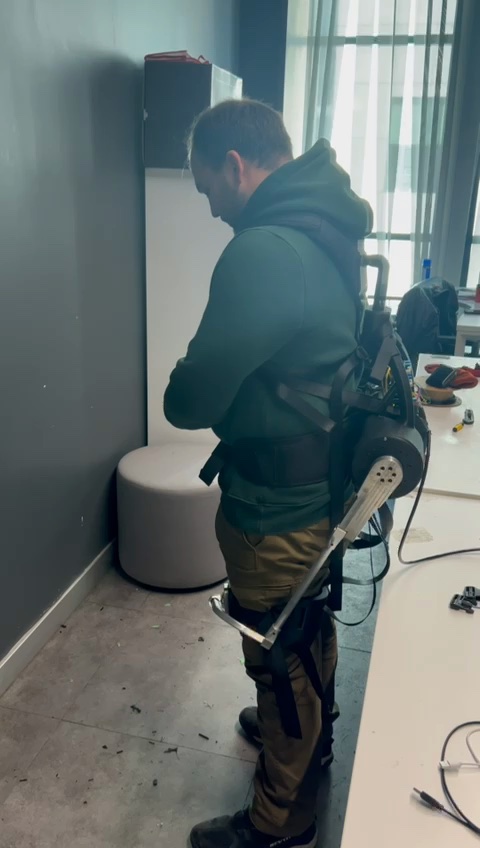 How Much Support Can an Exoskeleton Provide? Understanding Capacity Claims
How Much Support Can an Exoskeleton Provide? Understanding Capacity Claims
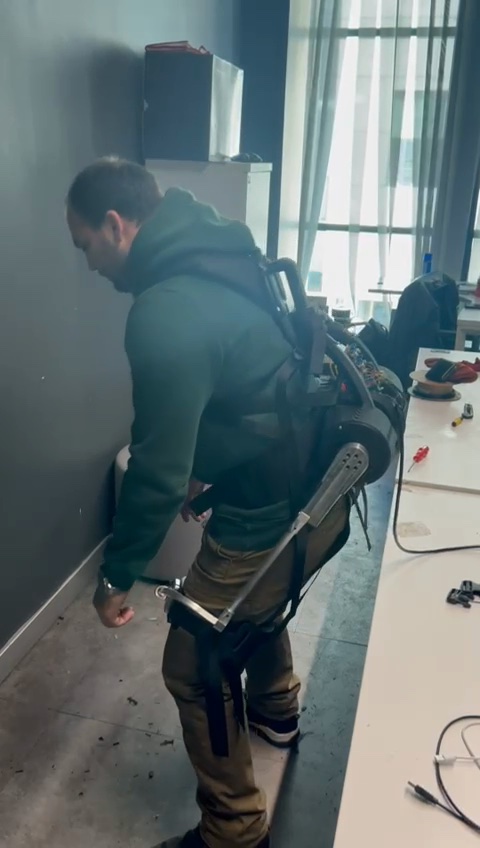 Does an Exoskeleton Fit Every Worker? Assessing Fit and Movement
Does an Exoskeleton Fit Every Worker? Assessing Fit and Movement
 active vs passive exoskeleton