 VITRUVEX
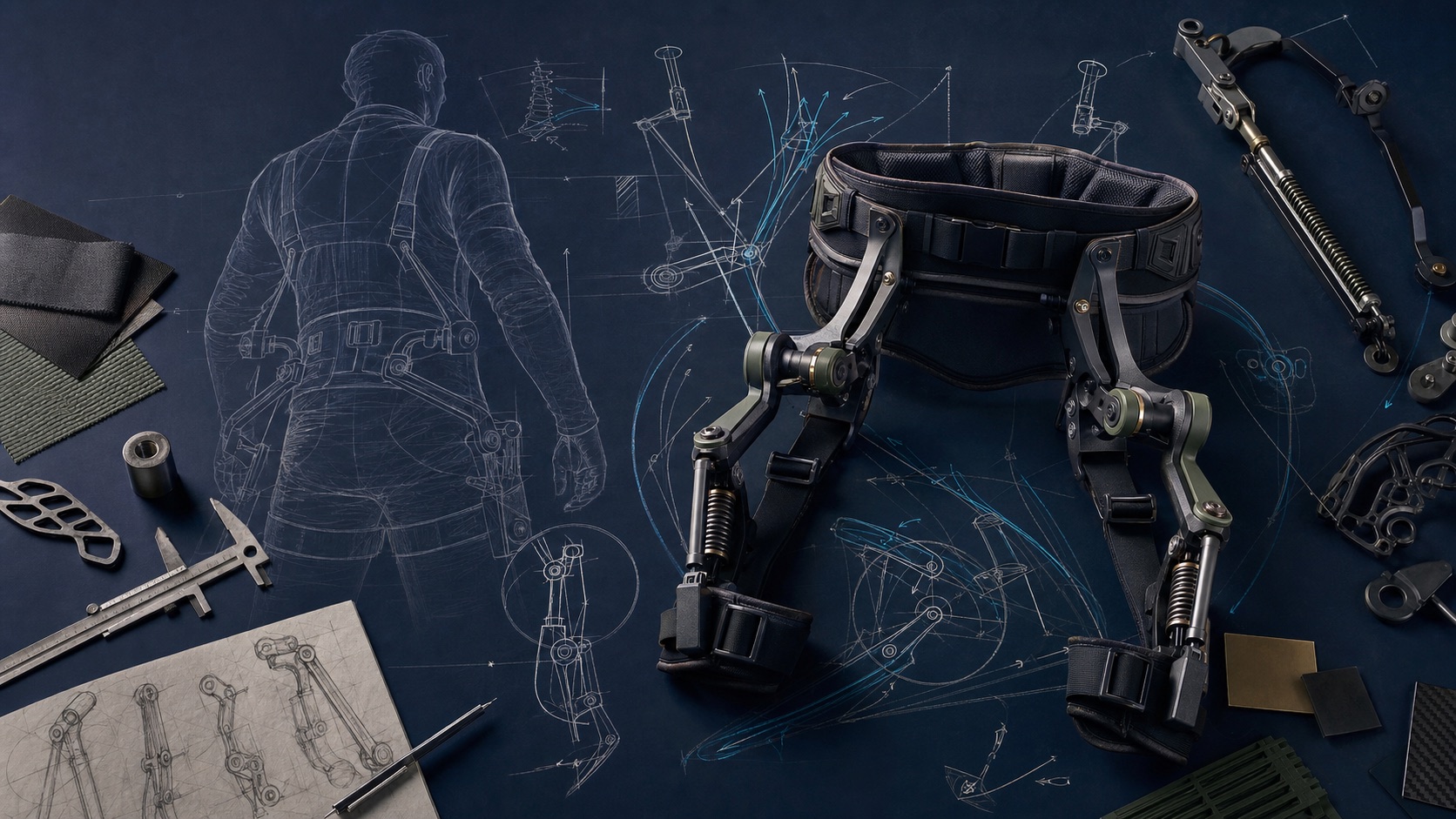
Exoskeleton Safety: Ergonomics, Human Factors and Risk Transfer
A safer exoskeleton program looks beyond assistance and tests pressure, balance, mobility, thermal load, hygiene, over-reliance and transferred exposure.
This article is an evidence-led technical and strategic analysis, not a product performance claim, medical advice or investment recommendation. Sources are listed below; deployment decisions still require task-specific validation.
Assistance can move risk instead of removing it
A reduction in one muscle group does not prove a reduction in total biomechanical demand. NIOSH notes that some systems can shift load from the shoulders to the lower back or legs. Evaluation should therefore follow the complete kinetic chain and the full task cycle.
Human factors are safety functions
Comfort, comprehension, trust and workload shape how a person behaves with the system. Confusing status signals, difficult adjustment or slow emergency release can convert a small fault into a hazardous situation. Training must cover not only normal use but limits, inspection, fault recognition and stop behavior.
- Fit and adjustment must be repeatable across trained users.
- Shared devices need explicit cleaning and hygiene ownership.
- Users need authority to stop without production pressure.
Test foreseeable misuse and abnormal states
Real work includes hurried fitting, wrong adjustment, depleted batteries, contamination, dropped equipment and unexpected obstacles. Risk assessment should identify which deviations are foreseeable and either design them out, detect them or control them through clear procedures.
Safety continues after deployment
ASTM F48 covers safety, quality, performance, ergonomics, terminology and lifecycle topics. A company program should similarly include inspection intervals, wear limits, maintenance records, incident learning, software configuration control and retirement criteria.
Primary references
Sources and further reading
Related guides
Read next
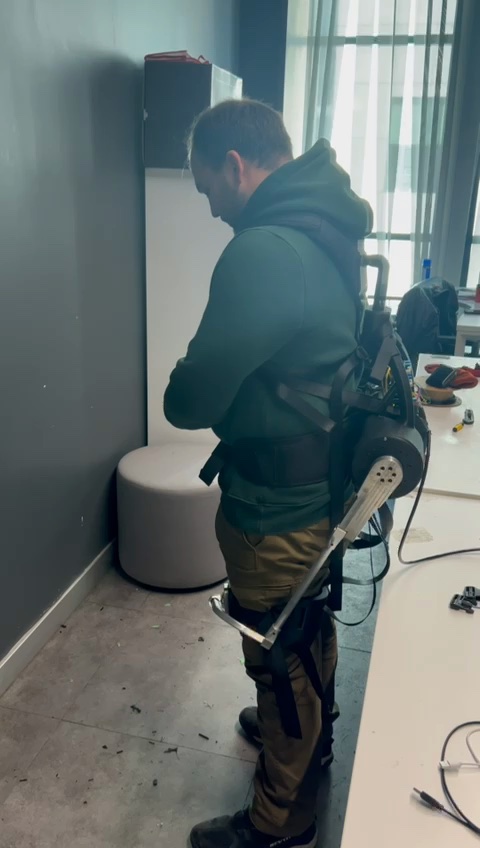 How Much Support Can an Exoskeleton Provide? Understanding Capacity Claims
How Much Support Can an Exoskeleton Provide? Understanding Capacity Claims
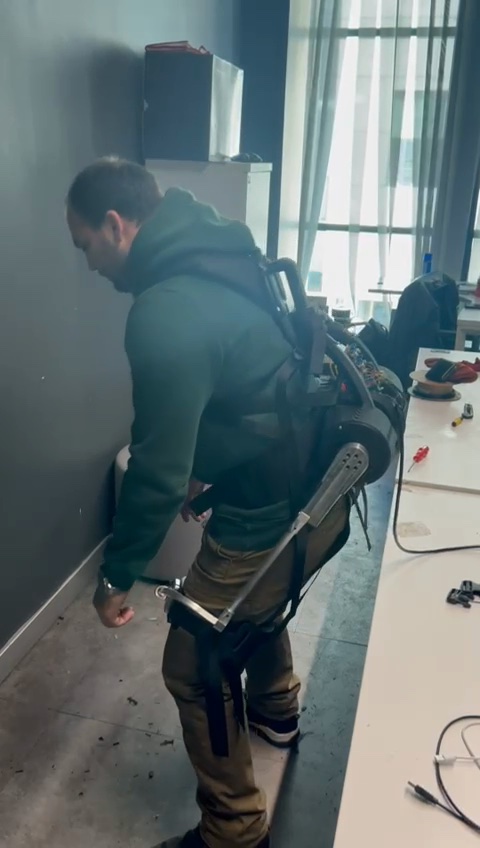 Does an Exoskeleton Fit Every Worker? Assessing Fit and Movement
Does an Exoskeleton Fit Every Worker? Assessing Fit and Movement
 what is an exoskeleton