 VITRUVEX

Industrial Exoskeleton Procurement Guide: Specification and Pilot Checklist
Translate the job into measurable requirements, test the shortlisted system with real users and connect acceptance to evidence rather than marketing claims.
This article is an evidence-led technical and strategic analysis, not a product performance claim, medical advice or investment recommendation. Sources are listed below; deployment decisions still require task-specific validation.
Write the job into the specification before writing the device
Define the supported movement, body region, load range, repetition, shift pattern, user dimensions, personal protective equipment and environmental limits. Keep requirements tied to the problem. A catalogue feature should enter the specification only when it changes safety, usability, serviceability or the measured outcome.
Use the pilot to answer a small number of decision questions
A pilot is not a product demonstration. Record the baseline, train users, define stop criteria and compare the approved task with and without assistance. Measure usability, fit, mobility, perceived exertion, task time, interruptions and maintenance events. The sample and duration should be large enough for the decision being made, but not presented as clinical proof unless the study was designed for that purpose.
Connect acceptance criteria to evidence and service responsibility
The purchase decision should state which results must be achieved, which hazards are unacceptable, who owns fitting and training, how faults are handled, which parts are consumable and how software or configuration changes are controlled. This turns a promising demonstration into a manageable operating system.
- User safety, fit and stop criteria.
- Measured task outcome and usability threshold.
- Inspection, maintenance, training and change-control ownership.
Primary references
Sources and further reading
Related guides
Read next
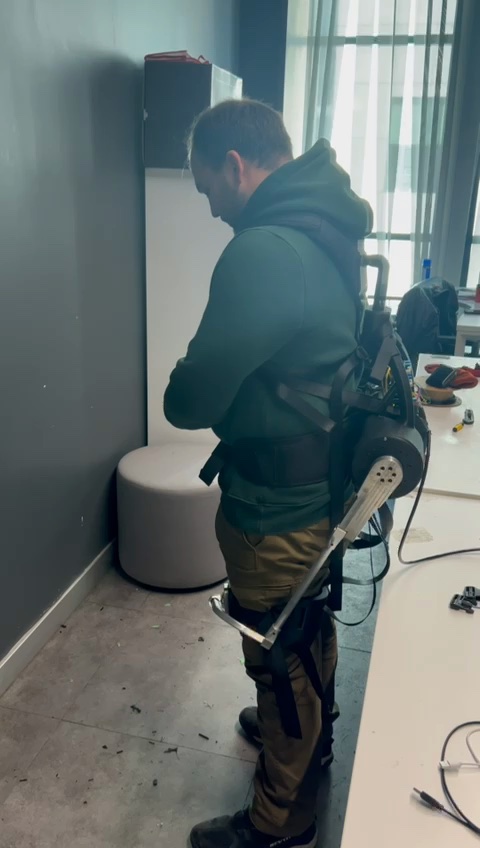 How Much Support Can an Exoskeleton Provide? Understanding Capacity Claims
How Much Support Can an Exoskeleton Provide? Understanding Capacity Claims
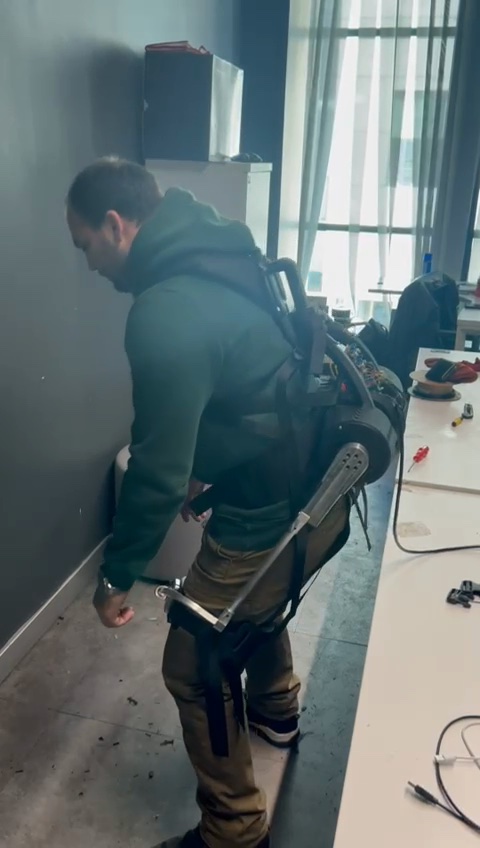 Does an Exoskeleton Fit Every Worker? Assessing Fit and Movement
Does an Exoskeleton Fit Every Worker? Assessing Fit and Movement
what is an exoskeleton