 VITRUVEX
Seven Engineering Criteria for Selecting a Back-Support Exoskeleton
A practical framework for evaluating alignment, assistance, movement freedom, thermal comfort, safety, serviceability and evidence.
This article is an evidence-led technical and strategic analysis, not a product performance claim, medical advice or investment recommendation. Sources are listed below; deployment decisions still require task-specific validation.
1–2: Joint alignment and assistance profile
The device should follow the user’s functional joint path rather than forcing the body to follow the mechanism. Misalignment can create pressure, friction, unwanted torque or migration during motion. Assistance must also arrive during the relevant phase of the task and release when it would resist natural movement.
3–4: Movement freedom and human variability
A lifting task rarely consists of one sagittal-plane bend. Reaching, turning, stepping, kneeling and recovering balance may be part of the same work cycle. Evaluate the whole movement envelope and test different body dimensions, clothing layers and individual movement strategies.
- Observe walking, stairs, sitting and emergency egress.
- Record pressure points and device migration over time.
5–6: Thermal comfort and safe failure behavior
Contact materials, ventilation, climate and shift duration shape acceptance. Heat and perspiration can change fit and hygiene requirements. For powered systems, define what happens after sensor, actuator, controller or battery faults. The user must retain a safe path to stop, release and exit.
7: Serviceability and evidence quality
The best prototype can fail operationally if inspection, cleaning, fitting, charging or spare-part workflows are unclear. Request task-specific evidence and define your own baseline. NIST test-method work emphasizes fit, usability and performance in repeatable task artifacts; field decisions should extend that discipline into the actual workplace.
Primary references
Sources and further reading
Related guides
Read next
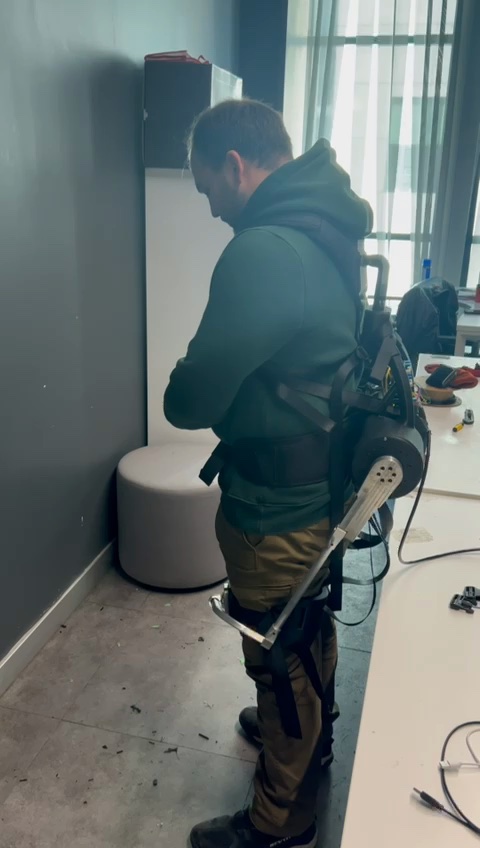 How Much Support Can an Exoskeleton Provide? Understanding Capacity Claims
How Much Support Can an Exoskeleton Provide? Understanding Capacity Claims
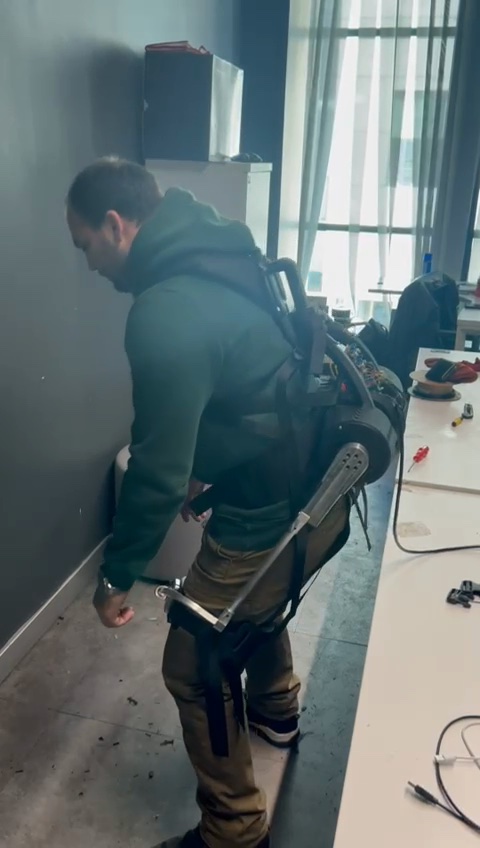 Does an Exoskeleton Fit Every Worker? Assessing Fit and Movement
Does an Exoskeleton Fit Every Worker? Assessing Fit and Movement
 what is an exoskeleton