
 Contextual stock photography, not a Vitruvex facility, employee or customer deployment.
FROM INDUSTRY TO TASK
Let’s understand the work first.
An industry label alone cannot determine exoskeleton suitability. Movement, repetition, workspace and wearer fit all need to be considered.
01 / Logistics and warehousing
Pick. Move. Place.
Parcel transfers, palletizing and repetitive bending can form the basis of a task evaluation.
What do we assess?
Pickup and placement height · Turns · Interaction with other equipment
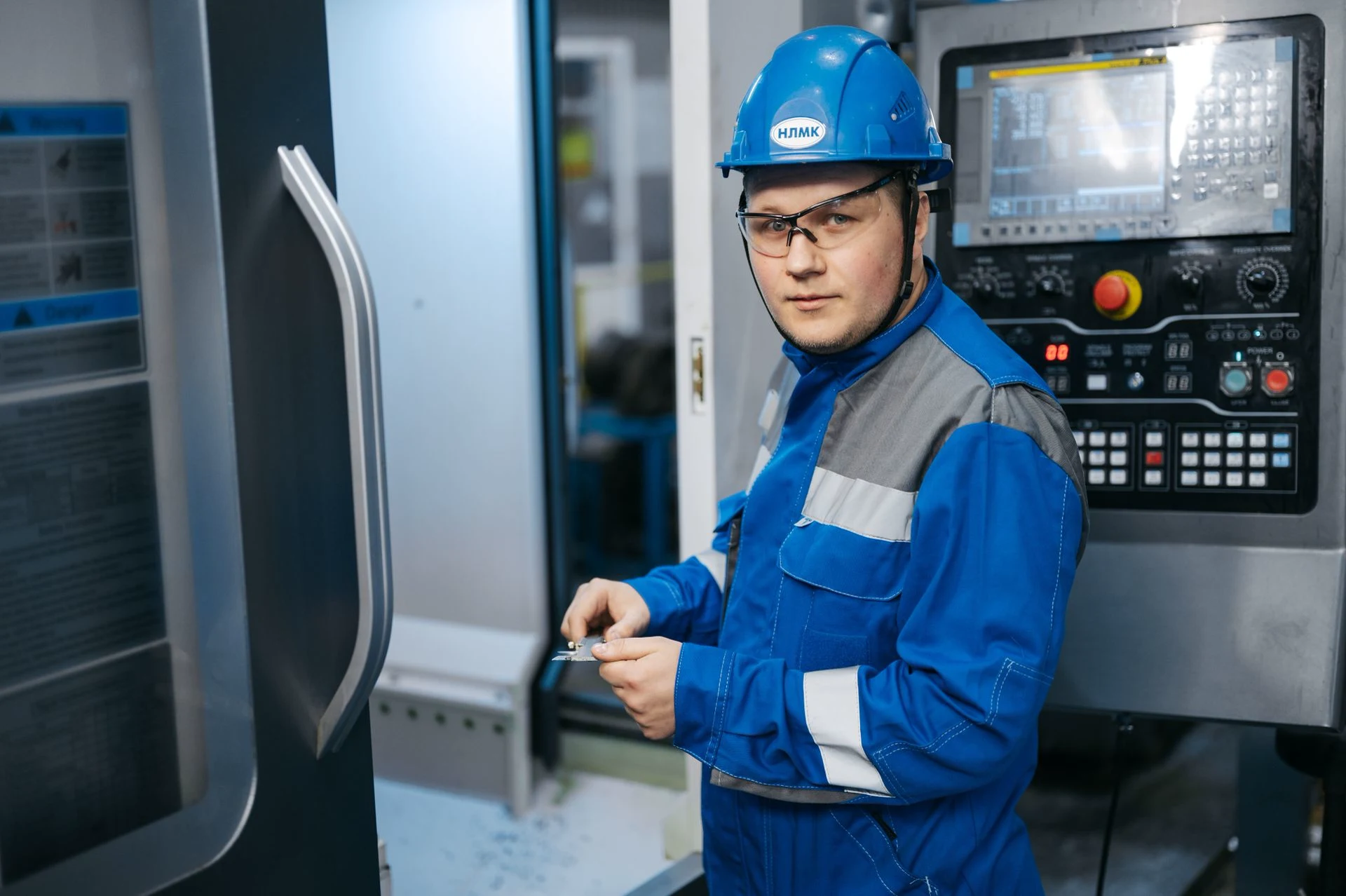
02 / Production and line-side work
Part of the workflow.
Material feeding and line-side pick-and-place work are considered alongside task cycles and reach distances.
What do we assess?
Repetition · Reach distance · Compatibility with workwear

03 / Maintenance and assembly
Every workspace is different.
Maintenance and assembly in a bent posture require a separate assessment of access, movement and nearby equipment.
What do we assess?
Restricted spaces · Changes in posture · Equipment access
Illustrative task scenarios; suitability is determined through evaluation.
START WITH SUITABILITY
Ask the right questions.
What movement does the task require?
We consider pickup and placement points, bending, turns and reach distances together.
Do the wearer and equipment work well together?
Individual fit, workwear, personal protective equipment and other tools are reviewed.
How will the evaluation work?
The approach to assessing the task, wear time, wearer experience and workflow fit is defined before the pilot.
THE PATH TO A PILOT
Understand the task. Evaluate together.
- 01
Task
Describe the movement, load, working height and repetition.
- 02
Fit
Review the wearer, equipment and workspace with the technical team.
- 03
Pilot
Agree the scope, training needs and evaluation method together.
Start with your work.
Share a brief description of the task and help shape the first technical discussion.
Pilot discussion